
Words are a powerful human tool that have the capacity to evoke either a response or a reaction in another person. They can create a mindset that influences our approach to the world. When someone repeatedly uses negative words, we begin to look at the world through these lens and doubt ourselves, the environment and others. On the other hand, hearing positive words inspire us to act, be kind and open to the world. Yet, with such power at our disposal, how often do we truly pay attention to the words we use and wonder how they impact others in our lives?
Babies spend the greater part of their first year soaking up life in its entirety. Since they are observant little beings, they occupy a lot of their time watching how the adults around them interact with their environment. This creates in them a fascination and an eagerness to get to know the world. So, naturally, when their bodies are finally able to match their intention, they move towards this wonderful environment they have been eyeing for months, only to hear adults say the word NO!
What is this NO?
Initially, babies do not comprehend the meaning of this word NO. They look at our facial expressions and hand gestures and stop. When they go back to reaching for the same object and hear the same word a second time, they begin to see a pattern. The curious ones usually try and reach for the same object or a different one, yet again, only to see the adult’s reaction remains consistent for a third time. When our tones and hand gestures become stronger and firmer, some babies start crying because this is not their experience of how we usually talk to them. Some other babies find the whole thing rather amusing and do it repeatedly, much to the annoyance of many adults. Soon enough, all babies begin to understand that more things in their world are NO than YES and begin to grapple with this reality.
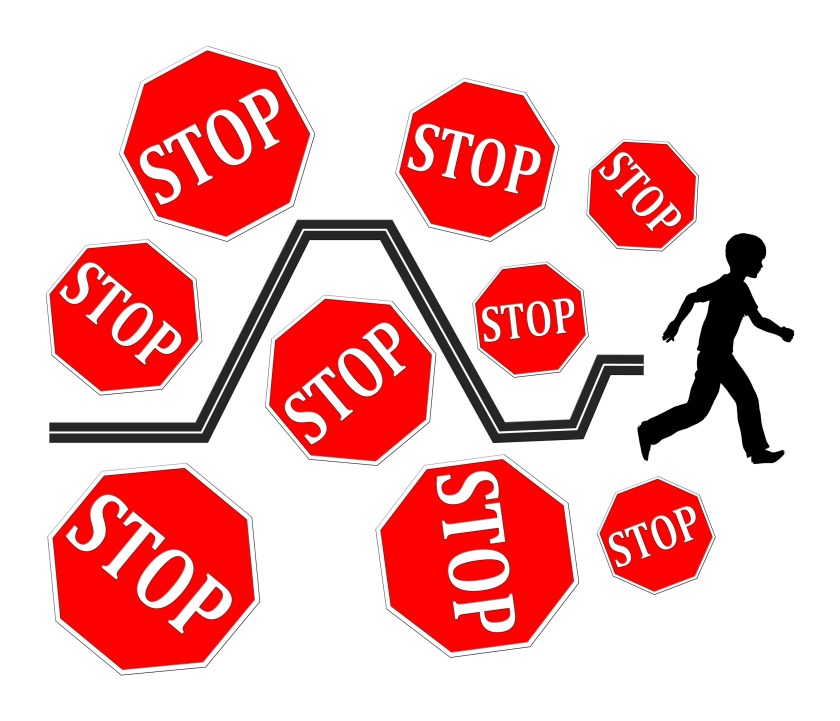
Why is NO a Problem?
To understand this, let us look at what this word actually means. The word NO comes with a lot of power. We ideally use it when we do not wish to persist a situation any longer. It literally means Stop! End! NO! Considering that this two letter word carries so much power, it seems that we use it too casually, too loosely in circumstances that do not even require such authority or intensity. Our children hear the word NO countless times each day. By repeatedly using the word NO, not only are we crushing their spirit but also taking away the real value of this word. So, the problem with NO seems to stem from the frequency and context of usage and not the usage itself.
According to Dan Siegel, Professor of Psychiatry at the UCLA School of Medicine, “NO leaves you feeling reactive, making it impossible to listen, make good decisions or connect with and care for another person. A focus on survival and self-defence kicks into gear, leaving you feeling guarded and shut down when it comes to interacting with the world and learning new lessons. Your nervous system initiates its reactive fight – flight, freeze or faint response : fight means lashing out, flight means escape, freeze means temporarily immobilizing yourself and faint means feeling utterly helpless.”
What NO does to a Child
- Since young children understand their world through exploration, repeatedly using the word NO subtly tells them that the world out there is not for them to explore and understand. Instead of letting them form their own ideas and views of the world, we are essentially passing on our prejudices and preferences.
- Everytime we unnecessarily stop our children by using the word NO, we are feeding them this notion that the world is a place that holds many threats and dangers. This not only creates too much reliance on another person to navigate through life for them, but also curbs exploration altogether because of fear.
- The more we throw in the word NO, the more our children begin to feel that they are incapable of handling the world. This leads to low self-confidence, self-doubt and an uncertainty about themselves.
Dan Siegel, in the book, The Yes Brain : How to Cultivate Courage, Curiosity, and Resilience in Your Child says, “Anything we give attention to, anything we emphasize in our experiences and interactions, creates new linking connections in the brain. Where attention goes, neural firing flows, and neural connection grows. And where neurons fire, they wire or join together. If you’ve been focusing a lot of attention on No! No! No! this is where neural firing flows, a No Brain reactive state.”
Shifting Positively from NO to YES
- Fill our children’s vicinity with more YES objects and experiences.
Young children are fascinated by the interactions that adults have with their environment. This fascination stimulates action and they gravitate towards these objects. However, we constantly curb such exploration either out of fear or because we cannot manage the mess. Instead, if we rearrange the child’s environment with more objects that they can freely explore, we will make an immediate shift towards a YES environment. Instead of curtailing exploration, we will be aiding exploration and play.
- Become Mindful of our Words
When we begin to watch our words and reflect on them, we can take control of the environment we are creating for our children. The next time we are tempted to revert to NO, we can just pause for a moment and ask ourselves why we want to say NO. If a child is moving towards something dangerous, we need to instantly stop them. But, in most other situations, we can divert their attention to something that they can do instead of telling them what they cannot do. A moment of reflection will give us a world of perspective and inspire a more positive response to our children.
- Create a YES mindset!
Our attitude matters! By overusing NO, we not only take away its power but create a NO mindset that holds our children back from the world. By shifting positively from NO to YES, we instil in children’s little minds an attitude of positivity that stimulates openness. What’s better, they begin to trust that they are capable of tackling the uncertain world out there and run towards life with josh, enthusiasm and joy!

 Srishti